
Just purchased two hex stops from Tallman equipment love them needed these forever, but my guys are fighting over the hardhat stickers that were in each one would love to have some stickers for all my guys [****] Larry Knight


It work great, bought my 2 of my coworker
each a set and they love them..

This thing is awesome! I can now let my apprentice cut pipe that has wire in it with no worries!!!
Makes it real easy to cut a conduit when Wires are still inside. Wil Buy More for My Guys.

At first time thought it was basically a gimmick. How often do I actually need it? I have needed this kind of tool in thr past. I just don't use it that much. But when you need it you need it. And therr isn't really an alternative like it. How many of us nicked the wire using an oscillator or other method.
Amazing product works perfectly once you setup correctly with the right death for conduit your trying to cut it’s easy Peezie
Was eyeing this for a while pulled the trigger and glad I did works like a champ. I do a lot of UG pole transfers and this has helped tremendously thank you

always a good idea to have extra parts on hand never know when one of Thoreau little screws will vibrate off while using the hack saw


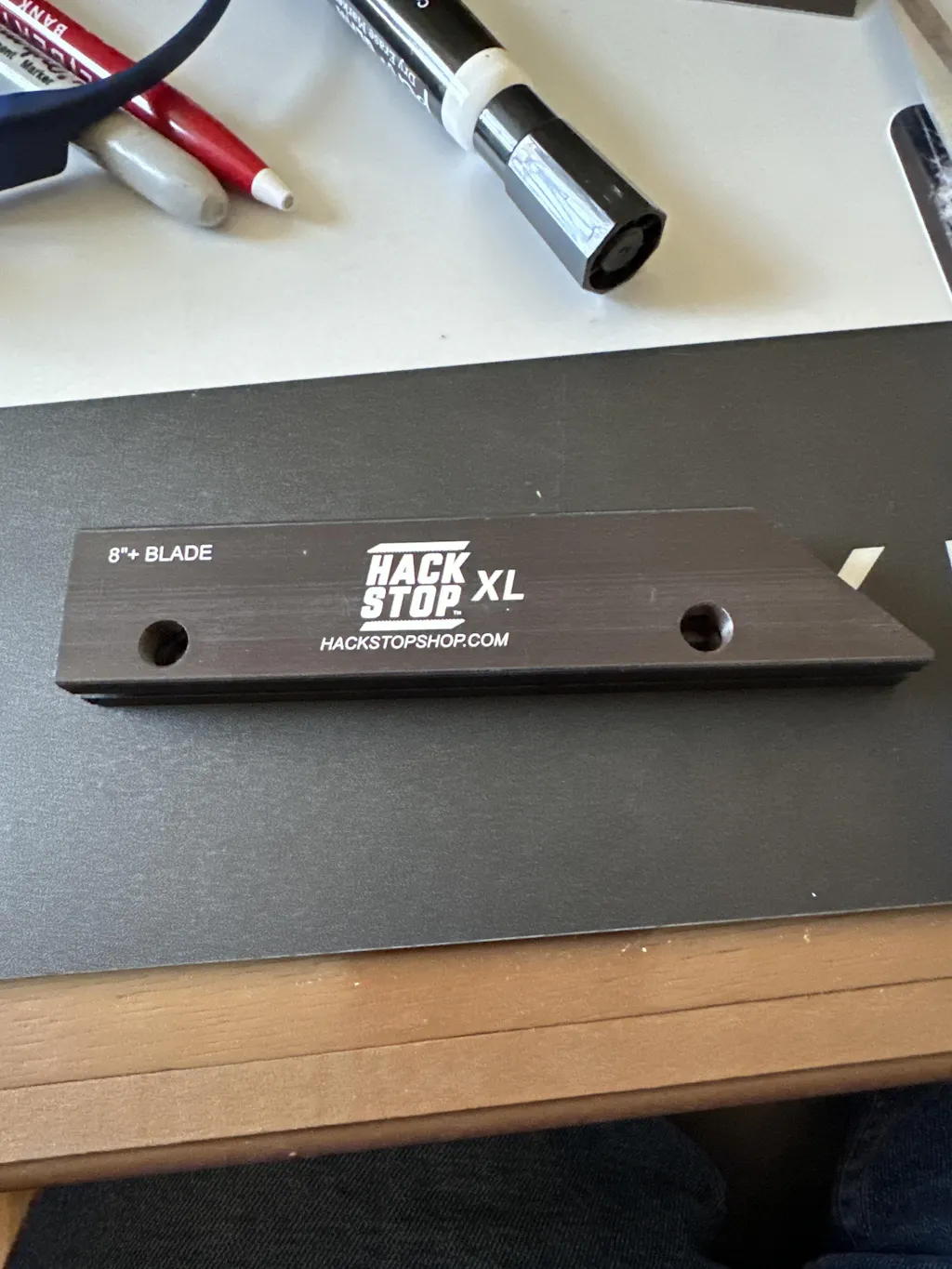

I’m employed by an Electrical Utility company which recently purchased a few of the reciprocating saw blades attachments. Wow! Very simple, but a great tool to have! Definitely will recommend this to my fellow electricians!

Love the feel and agility of these gloves. I almost want to play in fire and pick up saw blades for no reason other than i can.

I think this is a very nice tool. I will be using it. I’ll do work in the electrical field.
